Produce Transport Logistics for Growers: What to Expect
Produce transport logistics can be confusing for first-time and growing growers, especially when freshness and timing are on the line. This guide covers the key stages of the process, what affects your produce during transit, and how growers serving the Mornington Peninsula, VIC, can make smarter choices when moving goods to market.
What Is Cold Chain Logistics and Why Does It Matter?
The Key Stages of Temperature Control
Refrigeration should begin the moment produce leaves the farm. Here is a typical sequence for perishable goods:
- Pre-cooling at the farm or packing shed before loading.
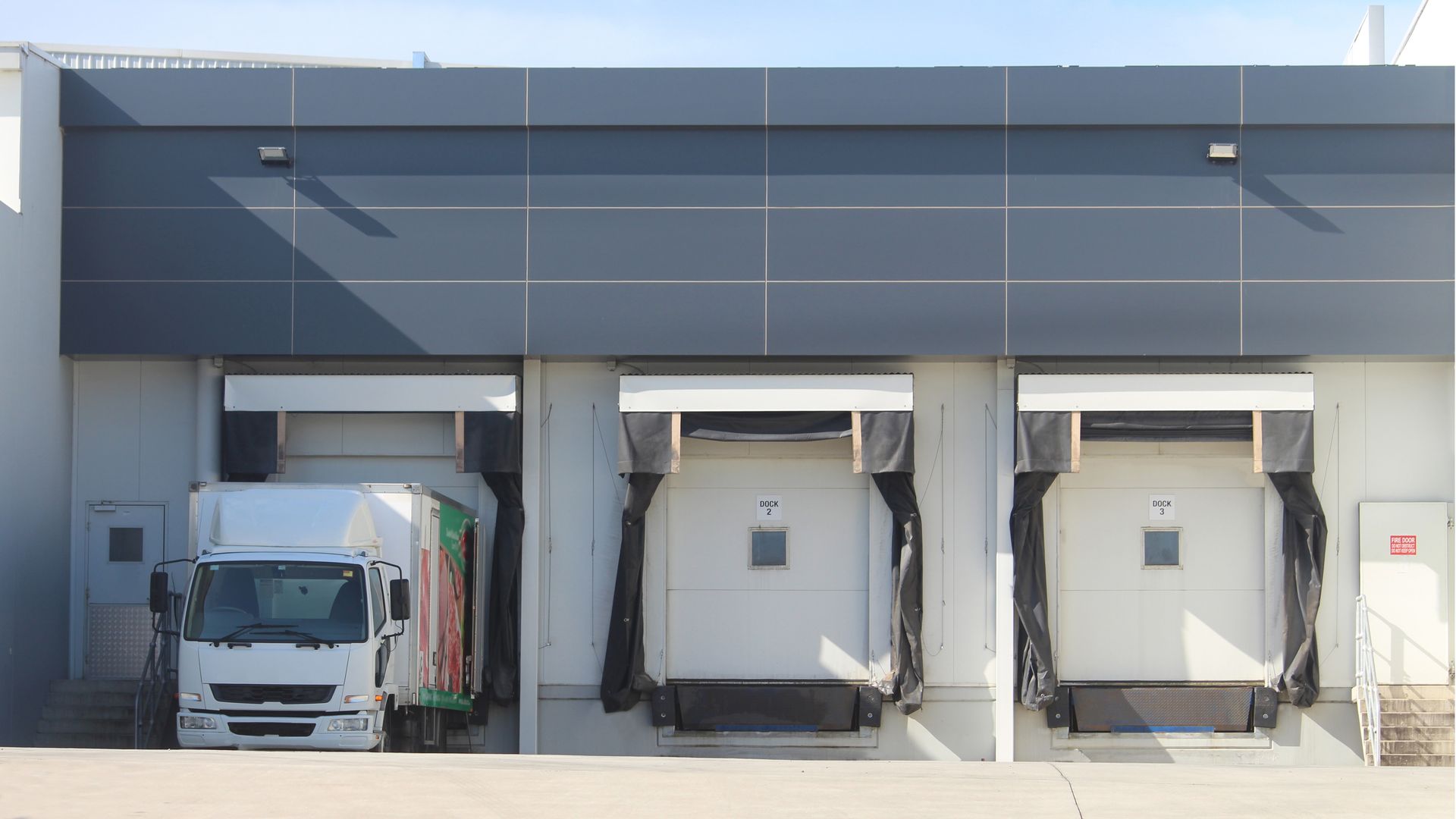
- Transfer to a refrigerated vehicle with a temperature-sealed loading dock.
- Transit at a stable, monitored temperature appropriate to the crop type.
- Arrival at a cold storage depot or distribution centre for any holding period.
- Final delivery to wholesale markets or retail distribution hubs.
Each handoff point carries some risk. A well-managed logistics provider maintains temperature consistency across all of them.
Which Produce Types Benefit Most From Refrigerated Transport?
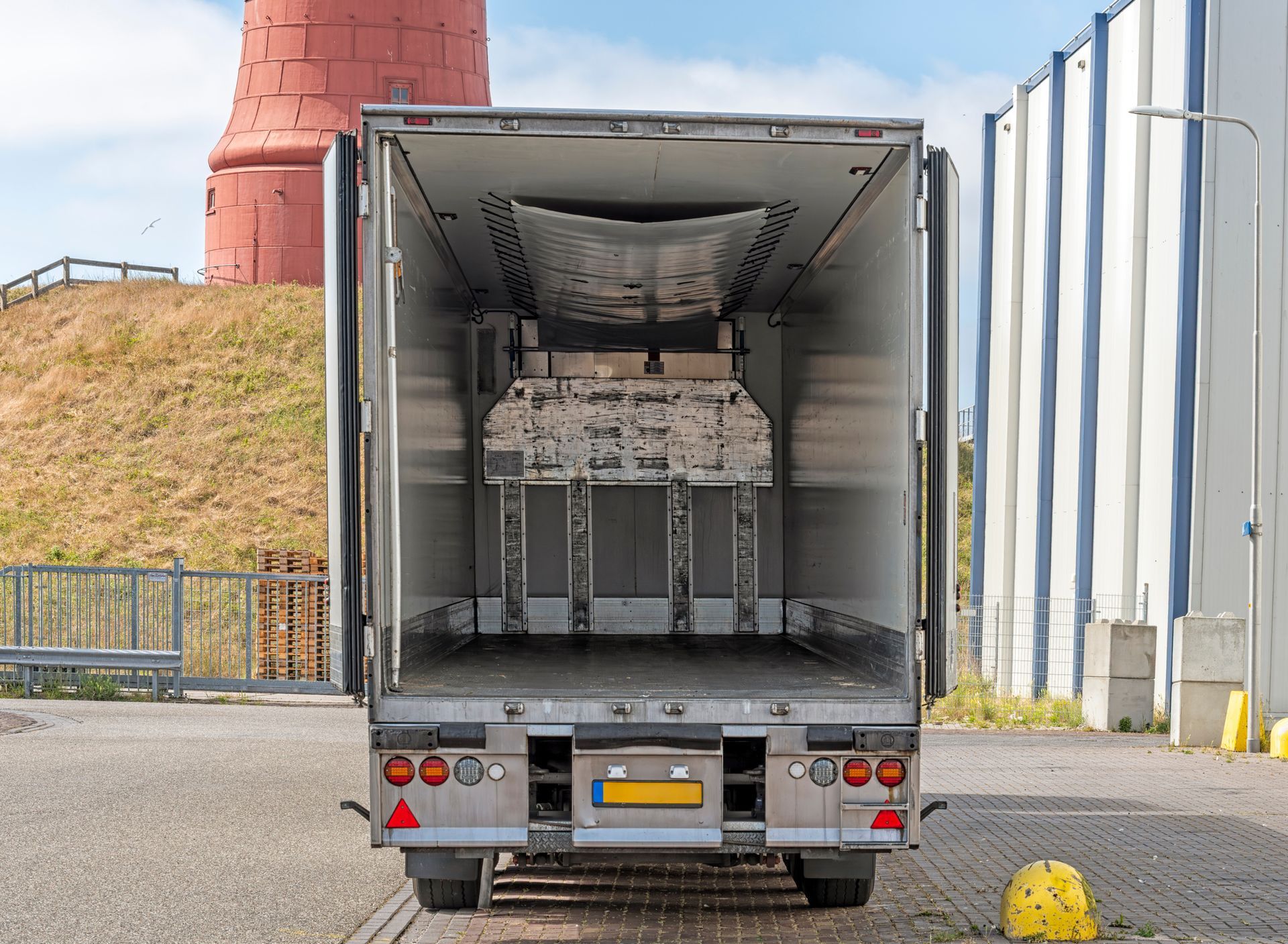
Refrigerated produce transport offers the greatest protection for highly perishable crops. Stone fruit such as cherries, peaches, and nectarines can deteriorate quickly in warm conditions, so consistent cooling during transit is often essential. Berries are similarly sensitive, with strawberries and raspberries known to soften and lose colour within hours of heat exposure. Leafy greens and fresh herbs also benefit significantly, as ambient heat causes wilting and reduces market appeal fast.
Mornington Peninsula Considerations for Growers
The Mornington Peninsula, VIC, produces a wide range of fruit and vegetables, from berries grown around Boneo and Moorooduc to stone fruit, organic vegetables, and herbs across Red Hill and Flinders. Summer temperatures on the Peninsula can climb quickly, putting time-sensitive crops at serious risk between farm and vehicle. The road journey to the Melbourne wholesale markets at Epping or Footscray typically runs 70 to 90 kilometres depending on the farm location, meaning transit times are manageable but not without temperature risk on hot days. Growers in areas like Baxter or Somers may also navigate Peninsula roads that add handling time before reaching main arterial routes.
Choosing a carrier with a depot in the region, such as one based in nearby Cardinia, can reduce the window between farm pickup and refrigerated storage significantly.
Ready to Move Your Produce With Confidence?
Getting your crop to market fresh starts with choosing the right transport partner. Fruithaul has over 35 years of experience in produce distribution and operates a refrigerated depot at Cardinia, placing it well within reach of growers across the Mornington Peninsula. Call 03 5998 8200 to discuss your requirements, request a quote, or learn more about produce transport services for the region. You can also get in touch online to start the conversation.