Cold Chain Compliance for Fresh Produce Transport: What Growers Need to Know
Cold chain compliance is a critical responsibility for any grower moving fresh produce from paddock to market. Understanding the key requirements can help protect both product quality and business reputation.
Family farms across Baxter, Moorooduc, Boneo, Flinders, and Tuerong grow everything from leafy greens and brassicas to stonefruit, tomatoes, and specialty vegetables. Getting that produce to Melbourne Markets or supermarket distribution centres in peak condition depends on cold chain compliance throughout every stage of produce transport.
What Is Cold Chain Compliance for Fresh Produce?
Cold chain compliance means maintaining a continuous, validated temperature range from the moment produce leaves the farm until it reaches its final destination. A single break in that chain can trigger spoilage, regulatory issues, or rejected loads. Australian Food and Grocery Council guidelines recommend chilled fresh produce be transported at no warmer than 5°C. Some leafy greens may require tighter bands, while subtropical fruits may need slightly warmer settings to avoid chill damage.
Summer temperatures across Victoria can push well above 30°C, meaning loading dock conditions and transit time both matter significantly, even on shorter runs to Melbourne.
What Temperature Does My Produce Need During Transport?
Temperature requirements vary by produce category. Knowing the right range before you book a run can prevent costly losses.
Most leafy greens, brassicas, and root vegetables do best between 0 and 4°C. Tomatoes, capsicums, and warm-season crops generally require temperatures closer to 12 to 15°C to avoid cold damage. Cut or ready-to-eat produce must meet FSANZ Standard 3.2.2, which requires chilled foods to be kept at or below 5°C throughout transport.
If your transport provider cannot confirm which temperature zone your load will travel in, that is a compliance red flag.
How to Audit a Transport Provider's Cold Chain Credentials
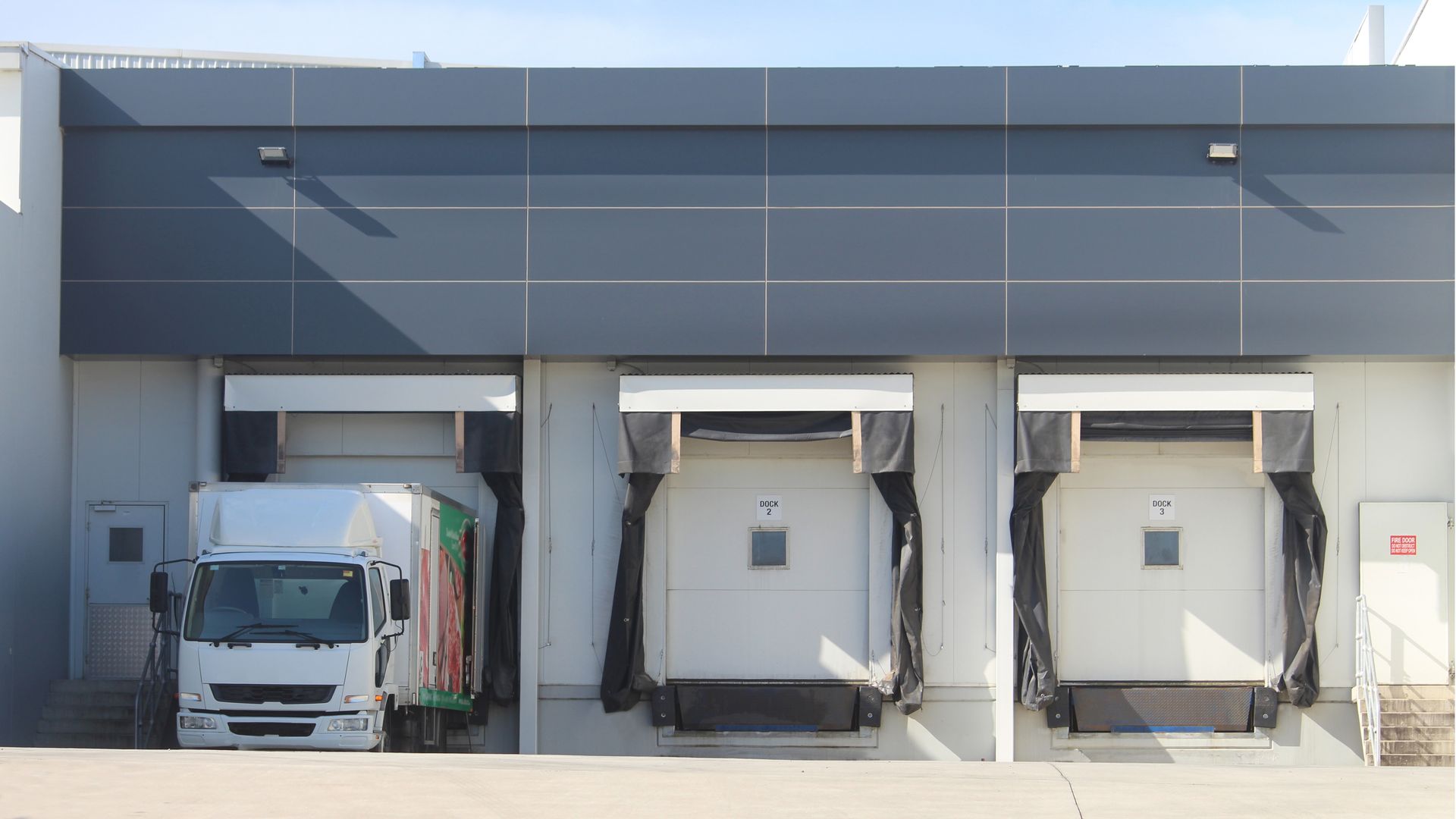
Choosing a compliant transport partner requires more than taking their word for it. Ask whether the provider holds current HACCP accreditation and can supply their certificate on request. Confirm that vehicles are equipped with continuous temperature monitoring, not just manual checks, and that depots use temperature-sealed loading docks. Ask whether they can provide temperature logs after delivery and confirm they are registered with the National Heavy Vehicle Regulator (NHVR).
Documentation is your protection. Temperature records serve as evidence of due diligence in the event of a buyer dispute, a supermarket compliance audit, or an insurance claim.
Common Cold Chain Failure Points Growers Should Know
Most temperature excursions do not happen in transit. They occur at handover points, including farm pickup, loading dock transfer, and final delivery. Poorly pre-cooled produce loaded onto a refrigerated vehicle can raise the internal temperature of the entire load. Doors left open during loading, inadequate air circulation around pallets, and infrequent equipment maintenance are among the most common causes of failure.
Growers can reduce their exposure by pre-cooling produce before the truck arrives, confirming load-out temperatures with the driver, and requesting a post-delivery temperature report.
Partner With a Compliant Produce Transport Provider
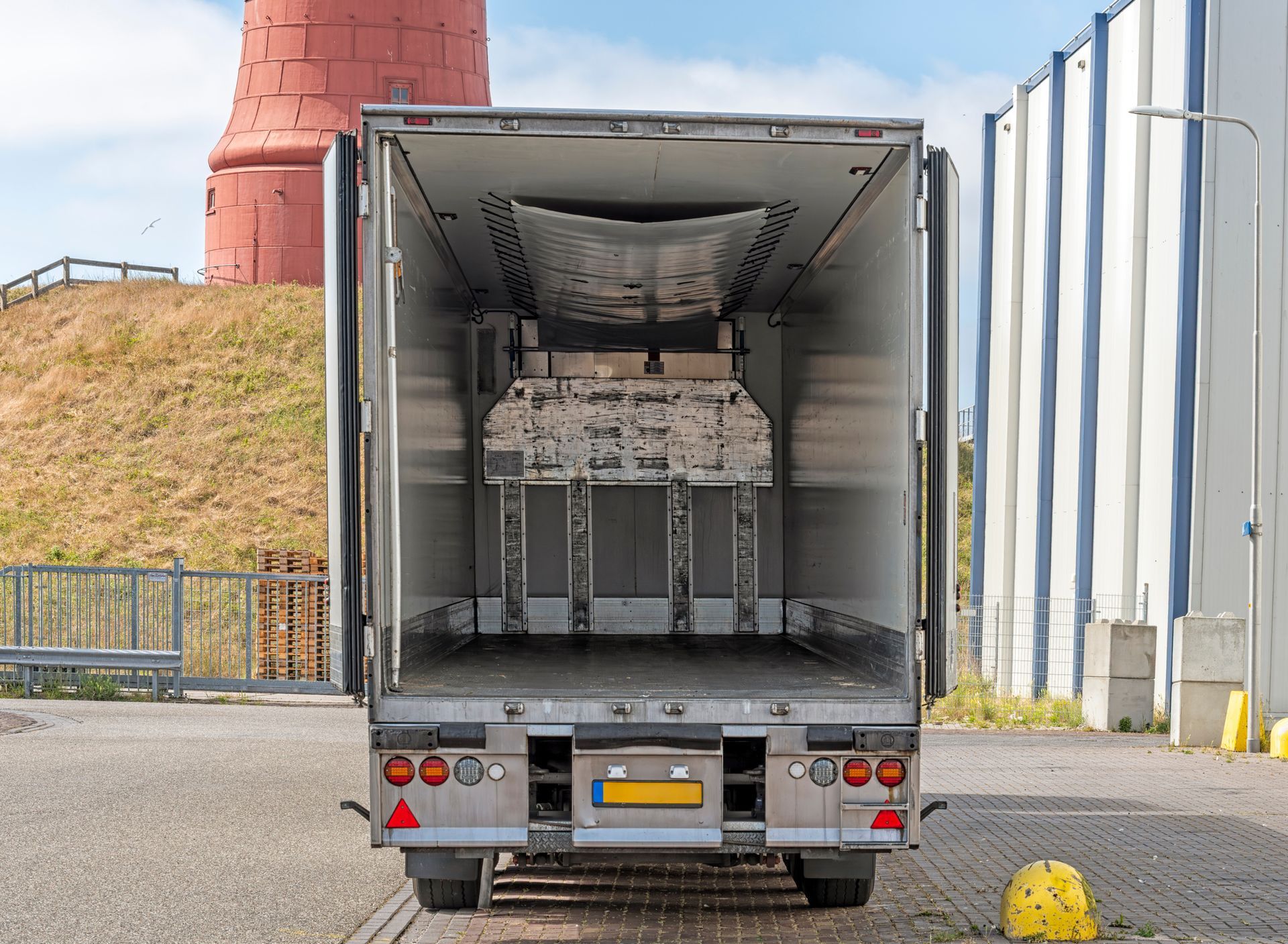
Fruithaul serves Mornington Peninsula growers with refrigerated produce transport backed by current HACCP accreditation and NHVR registration. Temperature-controlled loading docks and a modern refrigerated fleet keep your produce in peak condition from farm pickup through to delivery. Visit the produce transport service page or get in touch directly. Call 03 5998 8200 to discuss your cold chain requirements. You can also find and review Fruithaul on Google.